
1 in 10,000 people are diagnosed with Rett Syndrome and the majority of these people have no voice verbally as they have lost it during the initial regression period at 6-18 months roughly or they never had one in the first place. A lot of these individuals can’t even sign what it is they are trying to say due to involuntary hand movements getting in the way so automatically the same thing is assumed – that they have nothing to say, don’t have the intellectual ability and don’t have their own thoughts or opinions. To assume makes an ass of u and me. The people that truly believe this are the people who lack intelligence or have an education with some letters beside their name that makes them believe they are the smartest people in the room. If individuals with Rett Syndrome were given the basic things they need to thrive, patience and more understanding, then their voices would be the loudest above everyone else.
It’s a common misconception that if someone can’t give you prolonged eye contact and communicate in an obvious manner then that person doesn’t have anything to say. I think the most common phrase I’ve used in my 7 years of parenting Cassie is, ‘She can hear and understand what you’re saying, she just can’t reply in a way that you understand’. There has been so many times that I’ve said it and people look at me in disbelief as if I don’t know what I’m talking about. Imagine this, you’re with your friend when you bump into your other friend. They hug each other in greeting then and they talk about you as if you’re not there even though you’re right in front of them. They smile at you, look at you, but it’s very obvious you’re not given the same treatment as your friend is. Welcome to Cassie’s world. I have lost count truly of the number of times I’ve been with Cassie and they look at her, ask about her as if she isn’t right in front of them. At appointments for Cassie I’ve had professionals not even say hello to her directly. It sounds completely crazy doesn’t it? This happens a lot to us and it’s almost the norm to the point that when my friends and family take the time to sit and connect with Cassie I’m almost taken aback because it’s not what I’m used to with the rest of society.
I can survive well enough on my own, if giving the right reading material – Sarah J Maas
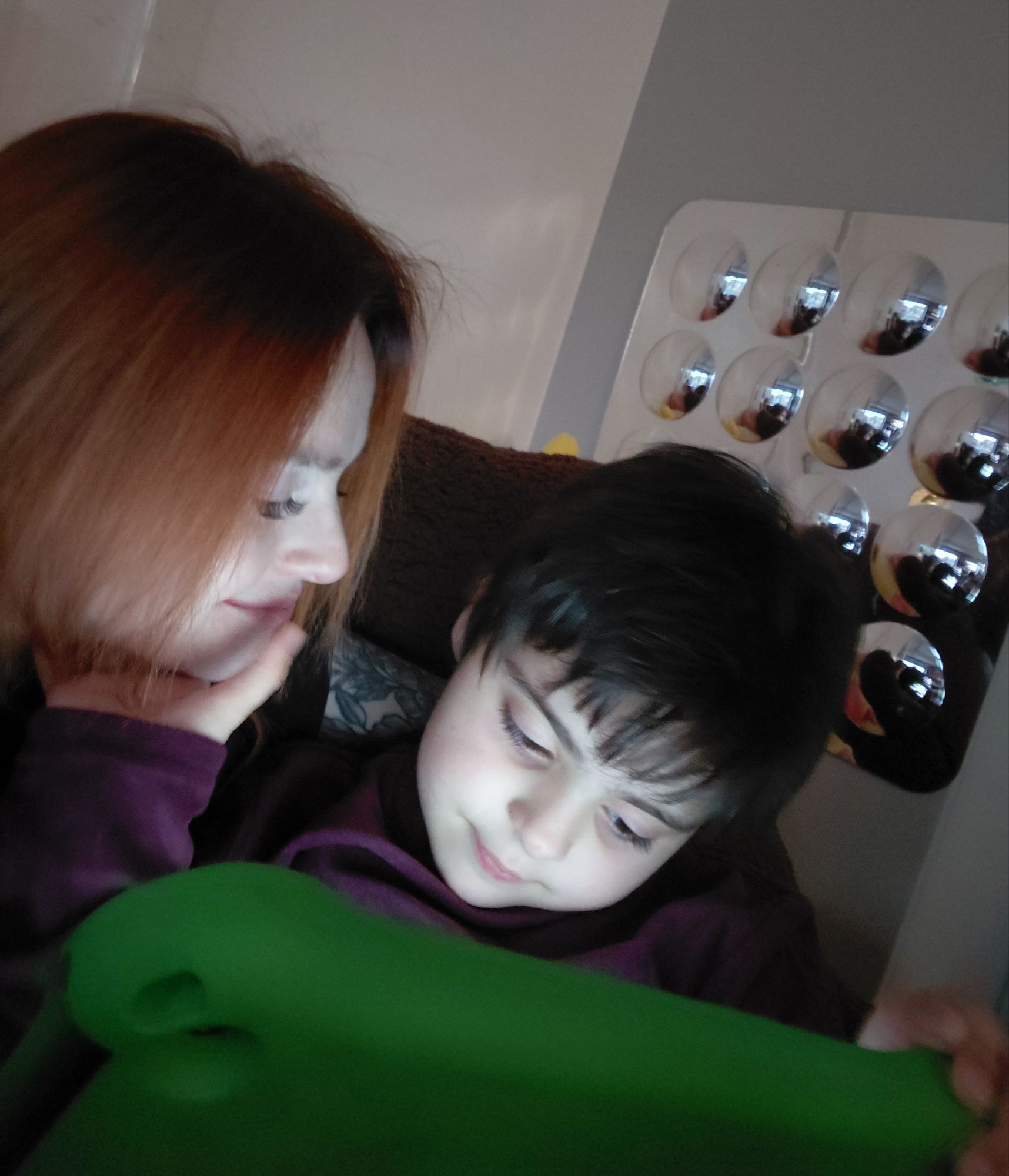
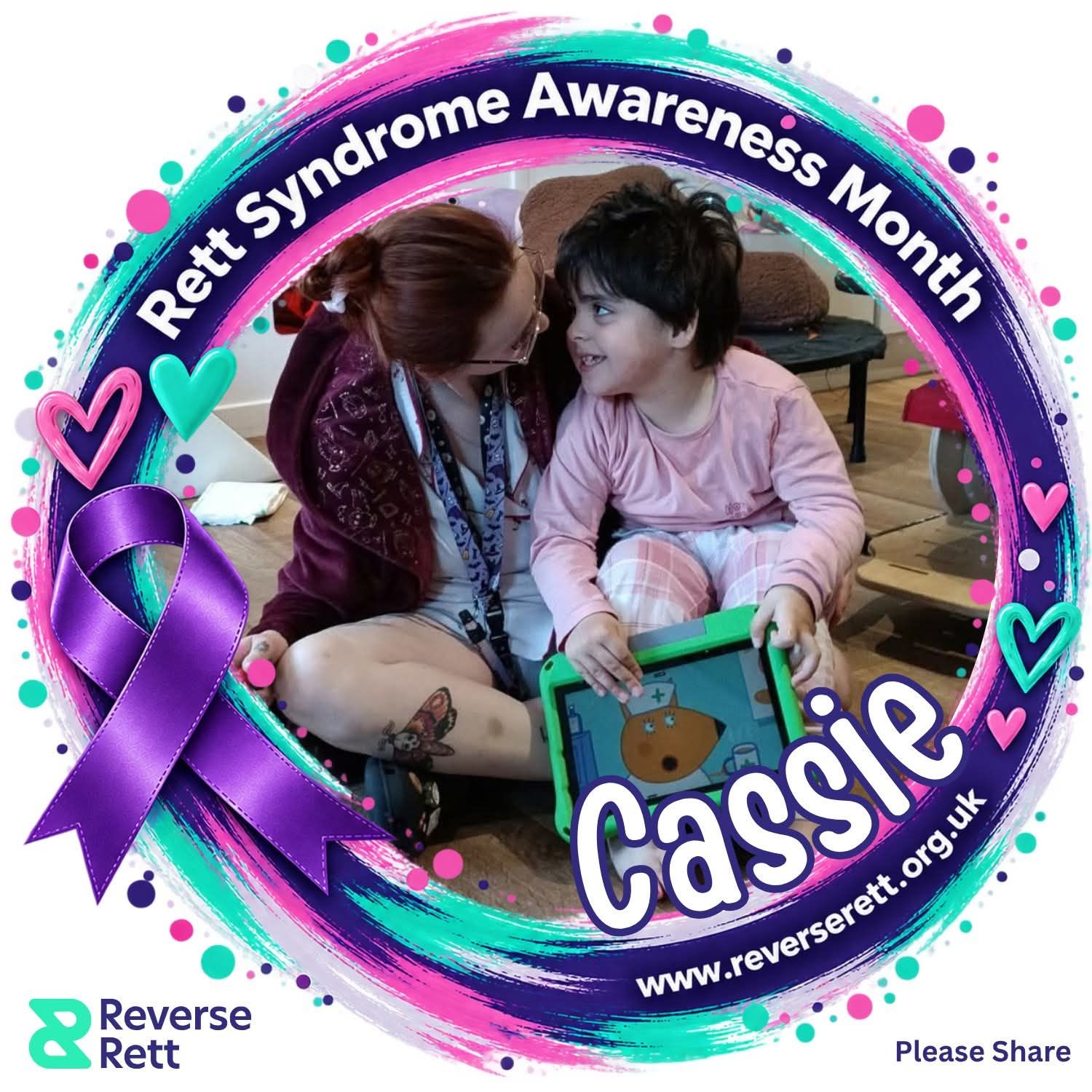
Cassie actually has a voice, and a loud one at that. I can have conversations with Cassie where she answers questions by where she’s looking, her physical movements like eye contact, blinking, with her emotions or she will take your hand and show you directly what she wants. To be honest Cassie also likes to be independent and physically go and help herself to whatever she wants too; she’s inherited my stubbornness and doesn’t understand limitations. Cassie can communicate by pointing at pictures of things and she can also follow instructions (when she’s not being cheeky and laughing at me while she does the opposite of what I say) Did you know Cassie can use a sewing machine? Yes. A sewing machine. At school they have an adapted sewing machine that can move the fabric as needed. It has a button connected to it that Cassie can press to move the needle and thread along the fabric. She is able to do activities like this because she was given picture instructions and also listened to her teacher. Correct me if I’m wrong but someone with zero intelligence couldn’t do that, could they? She follows instructions in art when told ‘Can you put some yellow paint here?’ And she will choose the yellow paint out of a selection of colours and try to put it where was instructed. Cassie by herself can used a tablet. I mean she can choose the exact application she wants, scroll until she finds the videos she likes or wants and she will even turn the volume up if I’m talking to someone on the phone (clearly too loudly). She also does this thing where say for example I’m talking about going to the doctors, she will play a Peppa Pig episode where she visits Dr Brown Bear. Children with Rett Syndrome don’t lack intelligence; they lack the things they need to be able to show how intelligent they are. This can be just from someone who takes the time to understand them as a person, their cues, equipment, or even just a bit of paper with some pictures on it.
People that struggle with communication don’t struggle with communication itself, it’s that they can’t communicate in the way that we can understand. So, are we the problem? Maybe? It’s simply they speak in a different language that we don’t understand, it’s not that they don’t understand us. If people were educated more on non verbal communication, facial expressions, gestures and so on then we would feel more confident when it comes to even just saying hello to someone with disabilities. Maybe then my daughter wouldn’t feel like the world can’t see her enough to say hello.


Leave a Reply